Introduction
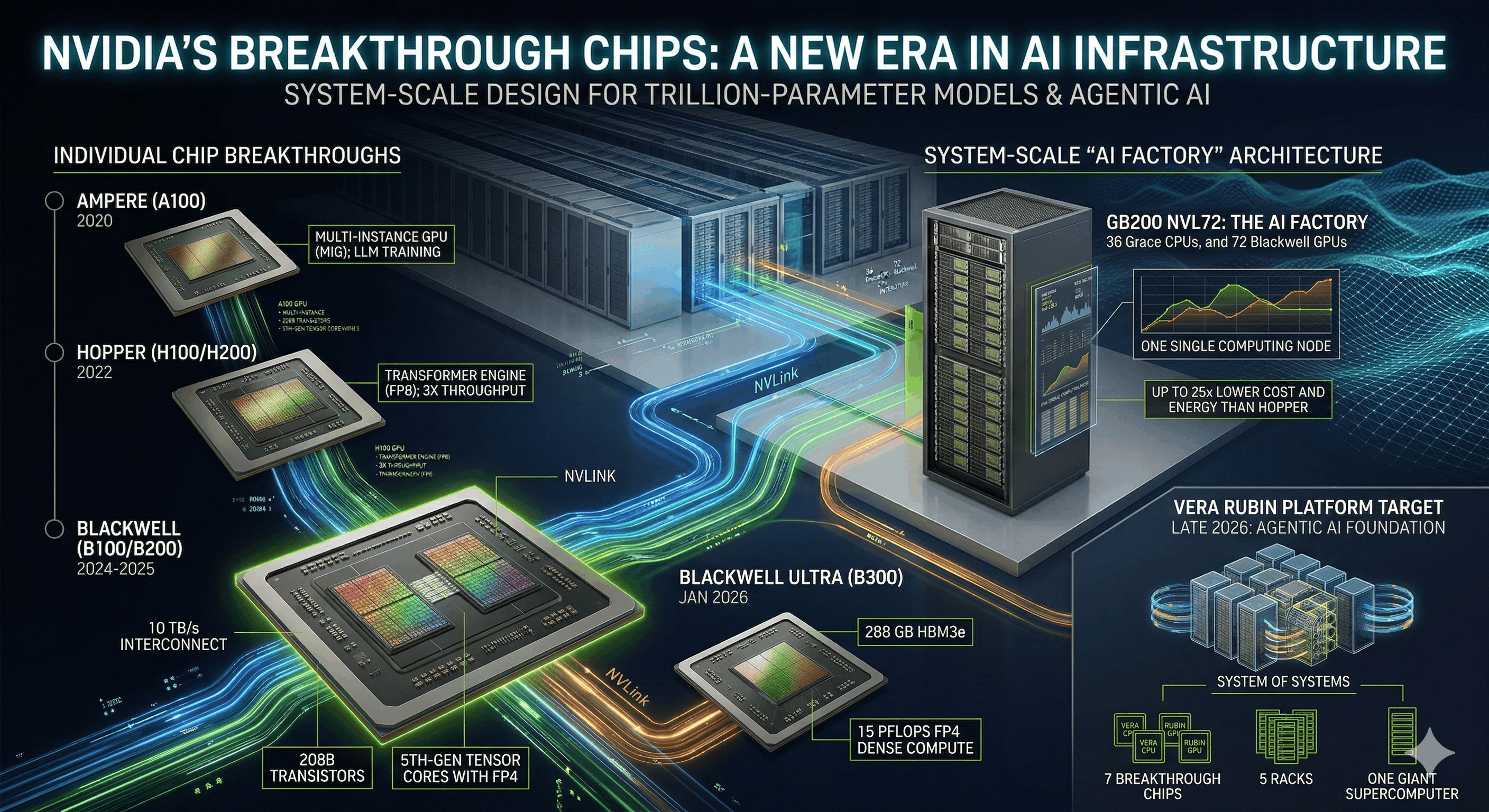
In March 2026, Nvidia took the tech world by storm at GTC 2026 with the unveiling of cutting-edge AI chips and architectures. As AI production demands escalates, innovations like the Groq LP30 and Vera ETL256 are poised to transform AI infrastructure. This article delves into the specifics of these advancements and their practical implications.
Who Should Use This
Whether you are an AI developer, data scientist, IT professional, or business leader, understanding the advancements in AI infrastructure is vital. This article aims to enlighten individuals who want to harness these technologies to enhance productivity, streamline operations, or infuse AI into business strategies.
AI Developers
Developers can leverage these chips for building responsive applications, allowing for intricate data processing and real-time analytics. With increased accessibility to high-performance computing, they can create more sophisticated algorithms and models.
Data Scientists
For data scientists, these advances offer enhanced computational power for machine learning and data analysis projects. The ability to handle larger datasets efficiently translates into quicker insights and results.
IT Professionals
IT professionals stand to benefit from improved infrastructure that integrates easily with existing systems, ultimately leading to lower overhead and maintenance costs.
Business Leaders
Business decision-makers can use the insights from this technology to foster innovation within their organizations, facilitating quicker data-driven decisions and improving overall competitiveness.
Practical Use Cases
1. Students
- Research Projects: Students can gain hands-on experience with Nvidia’s advanced chips during research projects, enabling complex simulations or data analyses unfeasible with earlier hardware.
- Machine Learning Courses: The chips' robust architecture offers a practical platform for students learning about training machine learning models, making theoretical concepts tangible.
2. Business Productivity
- AI Integration: Organizations can incorporate these chips into their workflows to enhance AI performance, resulting in faster data processing and more informed decision-making.
- Cost-Efficient AI Models: Companies adopting Nvidia's innovations report operational cost reductions associated with running large-scale AI models, allowing for better margins.
3. Daily Life Enhancements
- Personal AI Assistants: With enhanced chips, personal AI assistants can deliver faster responses and better understand user needs, creating a seamless experience.
- Smart Home Devices: Improved processing power in smart devices streamlines automation and integrates effortlessly with contemporary technology.
Deep Dive into Nvidia’s Innovations
Groq LP30 and LPX Rack
Nvidia's acquisition of Groq has birthed technologies that improve existing GPU architectures, particularly through their LPU systems. The LP30 chip, tailor-made for AI inference, ensures rapid processing capabilities, making it indispensable for businesses dealing with sizeable datasets. The LPX Rack complements this by enabling high-density deployments that are scalable and efficient.
Attention Feed Forward Network Disaggregation
A stunning highlight of Nvidia’s innovations is the Attention Feed Forward Network (AFN) disaggregation. This architecture enables more adaptable and scalable deployment of AI models, effectively distributing tasks across various chip sets while maintaining performance reliability.
Vera ETL256 and Next-Gen Rack Systems
The introduction of the Vera ETL256 marks a new age for data extraction and transformation, optimizing processes further. This modular design means that companies can swiftly adapt their AI infrastructure to fluctuating demands, ensuring they remain competitive in a fast-evolving technological environment.
Why Opt for Nvidia’s Chips?
Speed, modularity, and cost-effectiveness encapsulate why Nvidia’s latest offerings are crucial in the modern AI landscape. As data requirements expand, having robust infrastructure becomes essential for organizations aiming to excel in today’s marketplace. By investing in cutting-edge technology, companies not only enhance their operational capabilities but also position themselves for future advancements in AI.
Checklist for Adopting Nvidia's New Technologies
Before integrating Nvidia's latest innovations into your operations, consider using this actionable checklist:
- Assess Current Infrastructure Needs: Evaluate your existing systems and identify areas for improvement.
- Explore Integration Possibilities: Determine how Nvidia’s chips can fit into your current architecture and applications.
- Train Staff on New Hardware Capabilities: Ensure your team is well-versed in the functionalities and benefits of the new technology.
- Implement Pilot Programs: Run small-scale tests to evaluate how the new systems perform before a full rollout.
- Collect Data and Feedback: Monitor the performance and gather user feedback to inform future developments or adjustments.
Conclusion
As Nvidia continues to lead the charge in AI infrastructure innovation, their latest chip technologies promise to offer significant advantages in performance, flexibility, and scalability. Investing in these advancements equips organizations with the tools necessary to thrive in an increasingly data-driven world. To dive deeper into Nvidia's AI ecosystem and explore their ongoing innovations, check out the full article from SemiAnalysis.


