Understanding AI's Impact on the Job Market
The rapid advancement of artificial intelligence (AI) is reshaping industries globally, evoking a mix of excitement and apprehension among workers. Recent statements by Singapore's Prime Minister Lawrence Wong illustrate these sentiments, highlighting concerns about job displacement while also illuminating the emerging opportunities tied to AI.
What Changed
AI's Increasing Role
AI technologies are becoming integral across sectors, from finance to healthcare, significantly enhancing productivity and efficiency. The integration of AI is not merely about automation; it also involves augmenting human capabilities, leading to smarter decision-making processes. Global companies like Google DeepMind are positioning themselves at the forefront of this transformation, with Singapore emerging as a crucial hub for AI innovation.
Job Transformation
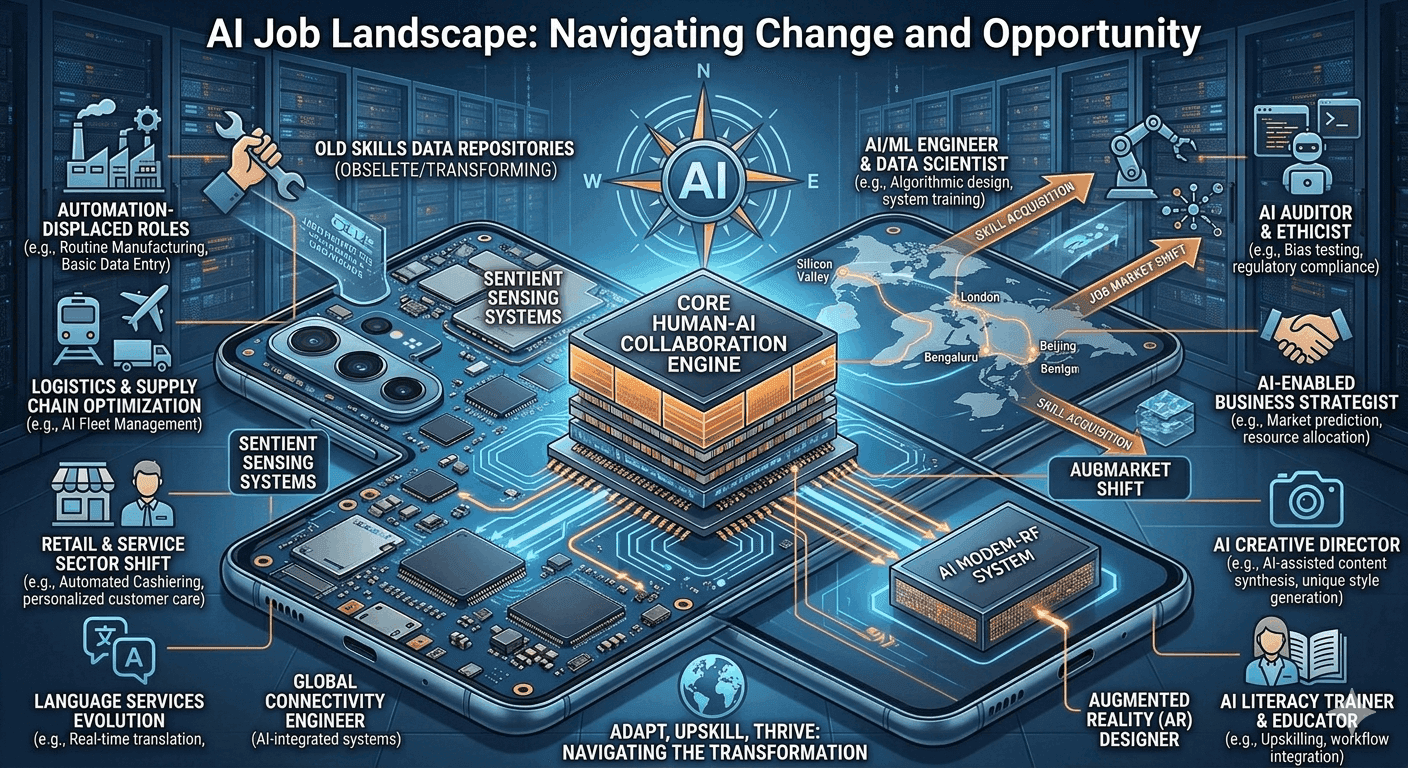
As AI disrupts traditional job roles, the demand for professionals skilled in AI applications is surging. While historical roles may dwindle, novel roles related to AI deployment, maintenance, and ethical considerations are gaining traction, creating opportunities for both new and existing workers.
Global Investments
Countries around the globe, including Singapore, are investing heavily in AI research and training programs. This influx of capital is not only generating job opportunities but also encouraging a shift in educational curricula to better prepare future workers.
Why It Matters
Understanding the implications of AI for workers and the economy is of paramount importance in this evolving landscape. Wong emphasized that while some jobs will inevitably vanish, the labor market will also birth new professions demanding a new set of skills.
Changing Skill Requirements
As businesses adopt AI technologies, workers must evolve, acquiring new skills in areas such as:
- Programming: Knowledge of languages like Python or R will be essential as AI tools proliferate.
- Data Analysis: Understanding how to interpret data will become crucial for informed decision-making.
- Machine Learning: Familiarity with machine learning concepts will empower workers to engage with AI technologies effectively.
Role of Companies
Organizations must play a proactive role in this transition. By investing in training and development programs, companies can cultivate an adaptable workforce that meets the rising demand for AI expertise, thus ensuring their competitiveness in the market.
Key Details
Jobs at Risk vs. Emerging Opportunities
| Job Type | Risk Level | Emerging Roles |
|---|---|---|
| Data Entry | High | AI Trainers |
| Manufacturing | Medium | Robotics Technicians |
| Customer Service | Medium | AI Support Specialists |
| Marketing | Moderate | Data Analysts |
Embracing Change
It is essential for various stakeholders to recognize the importance of building capabilities that align with the AI-driven economy. Employees should be proactive in seeking out educational and training opportunities to equip themselves with the necessary skills.
Who Should Pay Attention
- Employers: Leaders across sectors must acknowledge the crucial need for an AI-compatible workforce and actively invest in their employees' skill development.
- Employees: Workers from all industries should take the initiative to gain training in AI-related areas to remain relevant in their respective fields.
What to Watch Next
- Training Programs: Engage in or support the development of AI training initiatives tailored to upskill workers, ensuring they meet market needs.
- Policy Developments: Keep an eye on changing regulations and policies surrounding AI that may impact job markets and labor rights, including discussions related to ethical AI use.
- Industry Trends: Stay updated on advancements within industries that show the highest growth potential due to AI adoption. Identifying these trends early can offer a competitive edge.
Conclusion
The AI revolution represents a double-edged sword; while it presents significant risks of job displacement, it also heralds remarkable opportunities for those willing to adapt. As emphasized by Singapore’s leadership, the focus must remain on building skills and embracing the technological advancements that lie ahead. By harnessing AI's capabilities, we can create a future where workers coexist with technology rather than compete against it.


