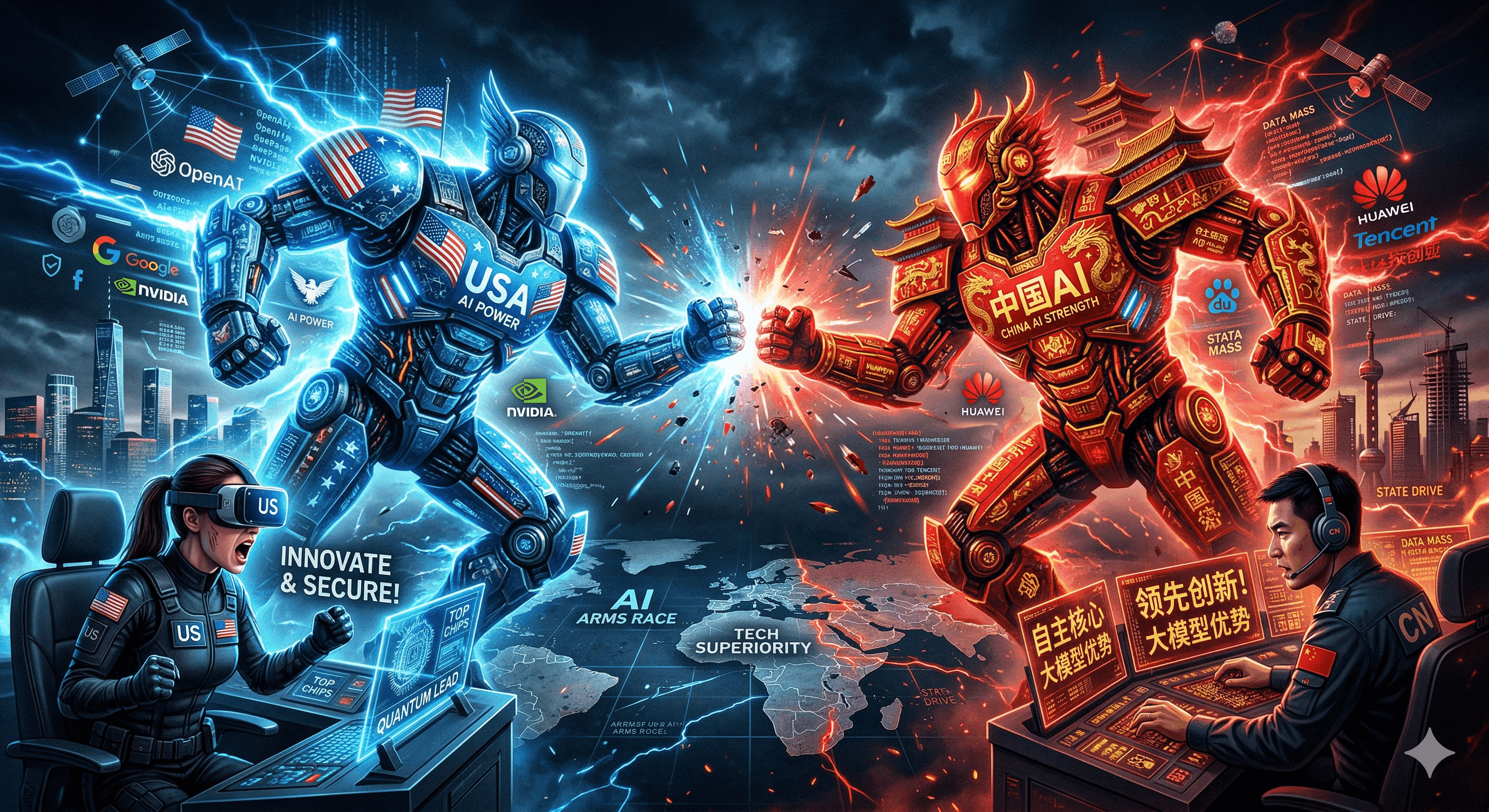
The Growing Rivalry: US vs. China in AI
The artificial intelligence (AI) landscape is evolving rapidly, and the rivalry between the United States and China is at the forefront of this transformation. As these two global giants vie for technological supremacy, understanding the nuances of each nation's approach to AI is becoming essential for businesses, policymakers, and individuals alike.
Who Should Use This
This article is designed for:
- Business Leaders: strategizing around AI integrations to boost innovation and efficiency.
- Policymakers: crafting regulations and laws regarding AI, balancing innovation with ethical considerations.
- Tech Enthusiasts: keen on the latest developments in AI technologies and their impact.
- Students and Educators: exploring how AI can enhance learning and job readiness.
The Current Landscape of AI: US vs. China
Technological Advancements
Both the US and China have made significant strides in AI technology, but their approaches differ markedly.
United States
- Innovation Ecosystem: The US has a mature ecosystem comprising tech giants like OpenAI, Google Gemini, and Microsoft Copilot. These companies’ collaboration with academic institutions fosters groundbreaking research and innovation.
- Investment in Startups: Major American firms are investing heavily in early-stage AI companies, seeking diverse innovations that could disrupt the market. Notable examples include initiatives in health tech, autonomous vehicles, and AI-driven financial services.
China
- State-Led Initiatives: China's AI strategy is heavily state-driven, with significant funding from the government channeling resources into firms like Ernie Bot and Qwen. This approach allows for rapid scaling of technologies across various sectors.
- Rapid Deployment: Chinese technology tends to reach market readiness faster, attributed to streamlined decision-making processes and a less stringent regulatory environment.
Policy Implications
The policy frameworks surrounding AI technology differ greatly between the two nations, reflecting their respective governance models and ethical considerations.
US Policy
- Regulatory Scrutiny: The US is increasingly focused on ethical AI, transparency, and accountability, aiming to manage the risks associated with AI technologies. Ongoing discussions around privacy, data usage, and algorithmic fairness are critical to shaping the future of AI.
- International Collaboration: American policies often promote partnerships with allies to set global standards and guidelines for AI development. Initiatives like the Global Partnership on AI (GPAI) show the US's intent to lead in setting ethical norms.
Chinese Policy
- Focus on National Security: China's AI policies are intertwined with national security concerns, emphasizing surveillance and social stability. This approach raises concerns about privacy and civil liberties, both domestically and internationally.
- AI as a Strategic Asset: The Chinese government views AI as pivotal to economic and military advancement, prompting aggressive policies that prioritize rapid growth and deployment.
Practical Use Cases
Understanding the practical applications of AI in both nations can provide insights into its future direction and impact.
For Students
Students can leverage AI tools like ChatGPT for tutoring and assistance with writing, presentations, and research projects. AI enhances learning processes through personalized curricula and accessibility features. Schools and universities integrating AI can tailor educational experiences to individual learning styles, making education more effective.
For Business Productivity
Businesses can utilize generative AI technologies to streamline operations. AI-driven analytics tools such as Perplexity AI help teams make data-informed decisions, optimize workflows, and boost efficiency. Companies employing AI can automate routine tasks, thus allowing human resources to focus on creativity and strategic planning.
For Daily Life
In daily life, individuals can employ AI personal assistants like Kimi from Moonshot AI to manage tasks, set reminders, and organize schedules, enhancing personal productivity seamlessly. From smart home devices to fitness trackers, AI continues to weave itself into the fabric of everyday life, improving convenience and efficiency.
Comparison of AI Strategies
| Feature | United States | China |
|---|---|---|
| Innovation Ecosystem | Dominated by Private Sector | State-led Initiatives |
| Speed of Deployment | Slower due to Regulatory Scrutiny | Rapid due to State Control |
| Ethical Considerations | Strong Focus | Limited Transparency |
| Funding Sources | Private Investments | Government Funding |
Who Benefits from Understanding This Rivalry?
Understanding the nuances of the US-China AI rivalry is essential for a variety of stakeholders:
- Businesses: Recognizing trends in artificial intelligence can help firms align their strategies with global shifts and mitigate risks associated with emerging technologies.
- Researchers and Academics: Understanding how AI affects social, ethical, and economic landscapes can guide impactful research.
- Consumers: An informed public can better navigate the rapidly changing AI landscape, making educated choices about the technologies they use.
Actionable Checklist
- Identify key AI tools relevant to your field.
- Research the latest AI policies affecting your business or studies.
- Experiment with AI applications in daily tasks to improve productivity.
- Stay updated on US-China developments in AI by following reputable tech news sources.
- Engage in discussions about ethical AI use with peers to promote awareness.
Conclusion
The US-China AI rivalry presents a complex landscape impacting global technology strategies and policy-making. Knowing the differences between the two nations can equip innovators, policymakers, and consumers with the insights needed to navigate this high-stakes tech environment. As developments unfold, those engaged in AI must be prepared to adapt and innovate in response to both opportunities and challenges. For more in-depth insights into AI advancements and the implications for global tech, be sure to read the full article on the Financial Times.


