Overview
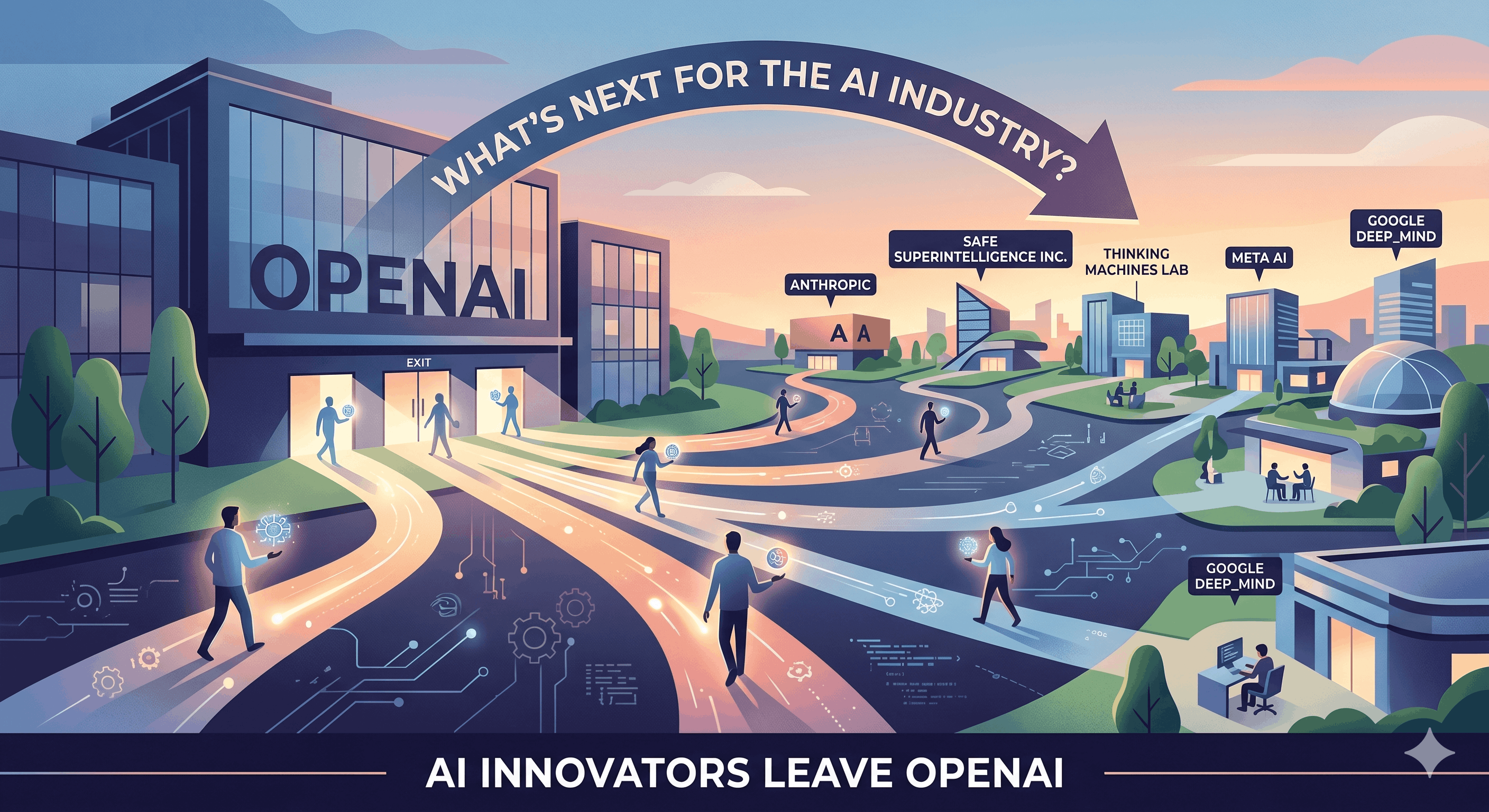
Recent leadership changes at OpenAI have sent ripples through the AI community. The departure of Bill Peebles, who led the Sora video generation initiative, signals not just a personnel shift but a broader strategic pivot for the company. This blog post delves into the implications of these developments and what they mean for the future of the AI landscape.
Who Should Use This
This analysis is designed for:
- Tech enthusiasts: Individuals eager to stay updated with AI advancements should grasp how leadership changes shape the industry.
- Industry professionals: Those working within tech firms must understand OpenAI’s focus to strategize accordingly.
- Students in AI and tech fields: Learners who wish to leverage these changes to enhance their understanding and skills in AI.
- General consumers: Anyone interested in how AI tools might impact their daily lives and work environments.
Practical Use Cases
As OpenAI reorients its mission, various groups stand to gain or face challenges. Here’s how recent developments could play out:
For Students
- Access to Advanced Tools: With OpenAI shifting its focus towards enterprise solutions, students can expect a surge in advanced coding and development tools. For instance, leveraging the OpenAI API provides opportunities for hands-on experience with cutting-edge technology.
- Real-World Projects: Engaging with tools now in development allows students to apply classroom concepts to real-world scenarios, thereby deepening their understanding of AI applications.
For Business Productivity
- Streamlined Operations: The focus on coding and enterprise solutions aims to enhance operational efficiency within organizations. Tools like Microsoft Copilot integrate AI-driven insights, promising to improve productivity across various sectors.
- Creativity Enhancement: With a shift away from experimental tools like Sora, the emphasis will likely be on productivity-enhancing solutions that stimulate business innovation.
For Daily Life
- AI in Everyday Tasks: As OpenAI fine-tunes its offerings, day-to-day AI applications may become more accessible for scheduling, emails, and even personal finance management, improving the quality of life for everyday users.
- Creative Projects: The launch of user-friendly AI tools such as Google Gemini enables individuals to explore avenues in creative work, thereby reinforcing the importance of accessible AI solutions.
Short Actionable Checklist
- Research the latest AI tools, like Claude (Anthropic), to enhance productivity.
- Engage with educational features available at Hugging Face for advanced AI learning.
- Experiment with Runway ML for creative projects to discover your artistic potential.
Implications for the AI Industry
The leadership changes at OpenAI indicate significant shifts in the AI domain that will likely influence the entire industry:
- Focus on Core Competencies: By stepping back from a wide array of projects such as Sora, OpenAI is deciding to streamline its offerings. This trend will likely resonate with other AI companies, prompting them to prioritize core competencies.
- Increased Emphasis on Enterprise Solutions: As businesses seek a tangible return on investment from AI technologies, tools explicitly designed for enterprise application will become increasingly important.
The Road Ahead for OpenAI
OpenAI's new direction revolves around enhancing utility through focused, enterprise-friendly tools. Leaders in the industry will need to adjust their strategies accordingly. Industry experts suggest that the conversation around AI will shift towards how these tools can meet specific business needs, driving a deeper integration into various sectors.
Short-Term Predictions
In the short term, we can expect:
- Increased Research in Enterprise AI: More resources will be dedicated to research that identifies efficiency gains through AI, particularly within sectors such as healthcare, finance, and manufacturing.
- Collaboration with Industry: OpenAI will likely pursue partnerships with businesses to understand their needs better, potentially leading to tailored solutions that offer significant competitive advantages.
Long-Term Outlook
Looking further down the road, the implications of these changes could be profound:
- Diverse AI Ecosystem: A more focused OpenAI might lead to the rise of specialized AI tools that cater to niche industries. This diversity could stimulate innovation in sectors previously overlooked.
- Educational Reform: As the demand for AI expertise grows, educational institutions may adapt their curricula to incorporate these new tools, better preparing students for the workforce of the future.
Conclusion
The recent leadership shake-up at OpenAI hints at a broader transformation within the AI landscape. The shift from a wide-ranging experimental focus to robust, enterprise-level solutions reflects the industry's evolution towards practical applications and real-world benefits.
With companies shifting priorities and new tools on the horizon, staying informed and adaptable will be crucial for all stakeholders involved, from students to established professionals. For more detailed insights, check out the full story on The Verge.


