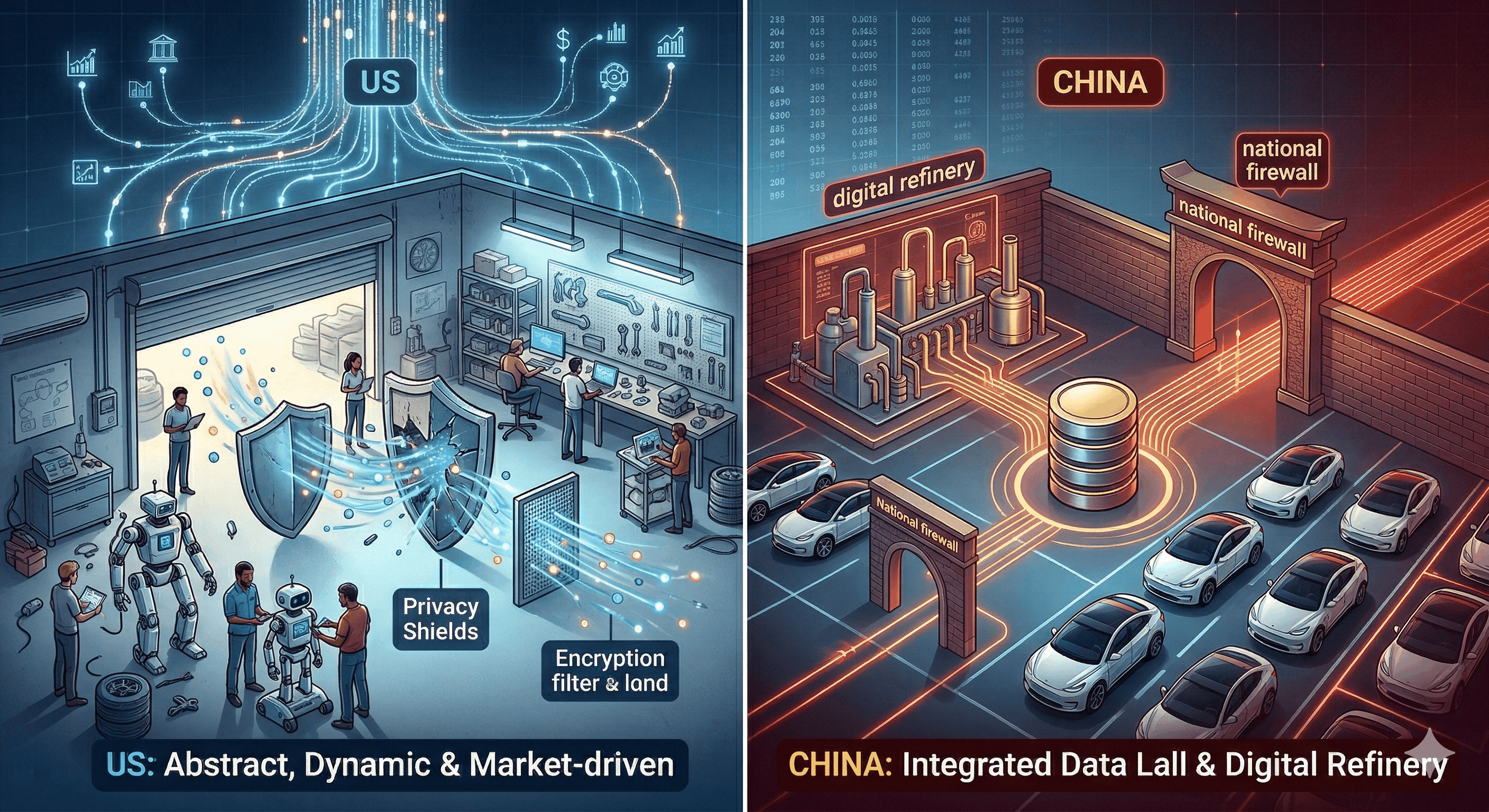
US vs China: Diverging AI Policies Explained
Who Should Use This
This article is tailored for policymakers, tech professionals, academics, and anyone interested in the geopolitical impact of AI regulation. Understanding the differences in AI policies between the US and China is crucial for stakeholders navigating both opportunities and challenges in the global technological landscape. These insights will help policymakers and businesses strategize their approaches to AI development and compliance.
Overview of US AI Policy
The United States has adopted a relatively liberal stance on AI regulation, focusing on voluntary safety commitments aimed at fostering innovation. This approach allows companies significant flexibility in developing and deploying new technologies while keeping governmental interference to a minimum. The current trend in US policy underscores collaboration between the public and private sectors, emphasizing transparency and accountability through initiatives designed to enhance safety without stifling technological progress.
Key Features of US AI Policy
- Voluntary Safety Standards: Companies are encouraged to implement safety measures, but these are not legally mandated, allowing room for innovation.
- Innovation-Driven: Regulatory frameworks prioritize technological advancements while providing companies with a conducive environment for exploration.
- Public-Private Partnerships: The US government frequently collaborates with major tech firms to develop frameworks that ensure safe AI development while remaining competitive on a global scale.
Recent Developments
As of 2026, several initiatives highlight the US's stance:
- The National Institute of Standards and Technology (NIST) is working on refining its AI Risk Management Framework to guide organizations on responsible AI practices.
- The Biden administration is emphasizing domestic tech investments to bolster the US's competitive edge against other global powers.
Overview of China’s AI Policy
Unlike the US, China has established a stringent regulatory environment centered around governmental oversight of AI technologies. The Chinese approach incorporates extensive algorithmic registries, ensuring that AI outputs align with state-approved guidelines that emphasize social stability and national objectives.
Key Features of China’s AI Policy
- Tight Government Control: The state actively oversees AI developments, positioning itself as a central player in technological advancements.
- Regulatory Compliance: Companies must follow rigorous regulations, including regular audits and reporting on their algorithms and AI systems.
- State-Aligned Objectives: AI development is closely linked with state goals, including achieving technological superiority and maintaining social control.
Recent Developments
As of 2026, the Chinese government has rolled out the following policies:
- The introduction of the “New Generation Artificial Intelligence Development Plan,” which aims to make China a global leader in AI by 2030.
- Enhanced scrutiny of data usage and algorithmic transparency, ensuring adherence to the party’s guidelines.
Comparison of AI Policies: US vs China
| Feature | United States | China |
|---|---|---|
| Regulatory Approach | Voluntary standards | Mandatory compliance |
| Government Involvement | Limited and supportive | Extensive and directive |
| Focus | Innovation and global competition | State control and alignment |
| Transparency and Safety | Encouraged through innovation | Strict requirements for disclosure |
| Global Engagement | Collaborates with global tech firms | Nationalistic and inward-focused |
Implications for Global Competitiveness
The stark differences in policy pose significant implications for global competitiveness. US companies generally enjoy greater freedom to experiment and innovate, while Chinese firms must navigate a complex regulatory framework that can stifle agility but also ensures alignment with state directives.
Practical Use Cases
For Students
- Research Purposes: Students can leverage AI tools like Google Gemini to analyze the implications of AI policies in different sectors, fostering a deeper understanding of how these regulations shape academic inquiry and knowledge dissemination.
For Business Productivity
- Compliance Frameworks: Enterprises can implement solutions such as Microsoft Copilot to maintain compliance with local regulations while enhancing operational workflows. This ensures that businesses remain aligned with prevailing policies and benefit from AI's transformative capabilities.
In Daily Life
- Enhanced Everyday Services: Individuals can use tools like ChatGPT to harness AI-driven data and services, enabling them to make informed decisions based on regulatory guidelines affecting their environment and experiences.
Actionable Checklist: Navigating AI Policies
- Understand the distinctions between US voluntary AI regulations and China's compliance requirements.
- Keep abreast of developing frameworks and enhancements in AI risk management.
- Explore potential partnerships with governmental bodies and tech firms.
- Regularly review and adapt to changes in global AI policy trends.
- Evaluate AI tools for their effectiveness in ensuring regulatory compliance and enhancing productivity.
Conclusion
The divergent paths taken by the US and China in terms of AI regulation significantly influence the future technological landscape. The US's focus on fostering innovation and collaborative frameworks contrasts sharply with China's stringent, state-controlled approach. These differences reflect not just distinct governmental philosophies but also ongoing impacts on their global competitiveness and technological leadership.


