Who Should Use This
This article is geared towards policymakers, AI developers, business leaders, educators, and concerned citizens interested in the evolving landscape of AI regulations. Understanding the dynamics at play can empower you to navigate the future while ensuring ethical considerations remain a priority.
The Current AI Regulatory Landscape
As of 2026, with the midterm elections on the horizon, the political battlefield surrounding artificial intelligence is more pivotal than ever. Pro-AI groups are vehemently advocating for regulatory frameworks that endorse innovation while mitigating restraints. With an investment of approximately $100 million, these entities are demonstrating a robust commitment to shaping a future conducive to technological growth. This significant funding underscores a collective recognition of AI’s transformative potential and the urgent necessity for balanced regulatory approaches.
Understanding the Stakeholders
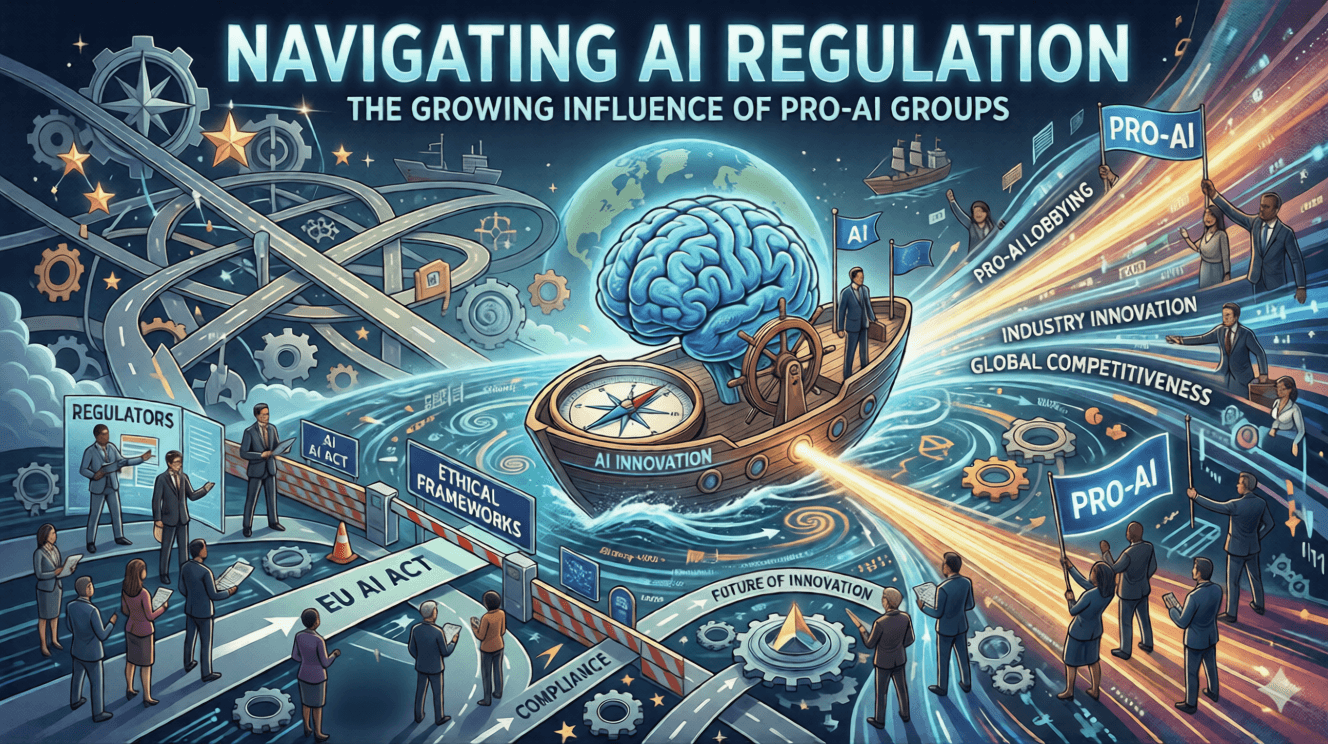
- Pro-AI Groups: These organizations are on the forefront, promoting legislation that favors AI and downplaying regulations they believe could hinder progress. Their mission focuses on impacting policymakers to create a law environment conducive to innovation.
- Regulatory Bodies: Comprising government agencies and elected officials, these groups face the critical task of balancing the ethical use of AI with the imperative of fostering technological advancement. They must grapple with ensuring public safety while encouraging the proliferation of AI capabilities.
Practical Use Cases
For Students
AI regulation has critical implications for educational institutions. Knowing how these regulations affect data privacy and ethical standards is essential for students. Familiarizing oneself with AI applications like ChatGPT or Google Gemini is vital, as these tools can be used in classrooms under the guidance of compliance with evolving regulations.
For Business Productivity
Businesses should monitor developments in AI regulations closely. Companies using tools like Microsoft Copilot or Claude are strategically positioned to enhance productivity while ensuring compliance with emerging policies. Understanding the regulatory landscape can provide businesses with a competitive advantage, allowing them to adapt their practices swiftly.
For Daily Life
As AI technologies increasingly blend into daily life, consumers must remain aware of their rights and the regulations governing these tools. Engaging with compliant products such as Meta Llama can lead to better personal productivity while ensuring ethical consumption. Individuals who understand their rights in the face of AI advancements can advocate more effectively for responsible innovation.
The Influence of Pro-AI Groups
Funding Dynamics
Pro-AI groups are emerging as influential players in electoral politics, strategically allocating substantial resources toward campaigns that favor AI innovation. This trajectory signals a deliberate effort to engage with policymakers, advocating for regulations that prioritize development and innovation while cautiously navigating ethical concerns. The approaching elections constitute a pivotal moment for determining future AI policies, balancing between innovation and ethical responsibilities.
Public Perception
With growing awareness around AI’s capabilities, public scrutiny regarding its regulation has intensified. Various stakeholders are engaged in shaping the narrative around AI—positioning it as either a remarkable asset or a potential threat. Public perception plays a crucial role in how policymakers approach regulation, and advocacy to ensure ethical standards can transform this dialogue into one that supports thoughtful and responsible innovation.
Actionable Checklist
- Stay informed about the rapidly changing developments in AI regulations and public opinion.
- Assess how evolving AI policies might influence your organization’s operations and compliance strategies.
- Advocate for discussions in your community surrounding ethical AI applications, ensuring diverse voices contribute to the narrative.
Final Thoughts
The intersection of politics and AI regulation is becoming increasingly vital as pro-AI groups mobilize financial resources to steer election outcomes and influence future regulatory direction. Stakeholders—including businesses, consumers, and educators—must remain engaged, informed, and active participants in these discussions. By understanding the dynamics at play, you can better navigate the challenges and opportunities presented by AI regulation in the United States. The future of AI policy is yet to be determined, and your involvement can shape the outcome for the better.
For more insights, check the original source here.


