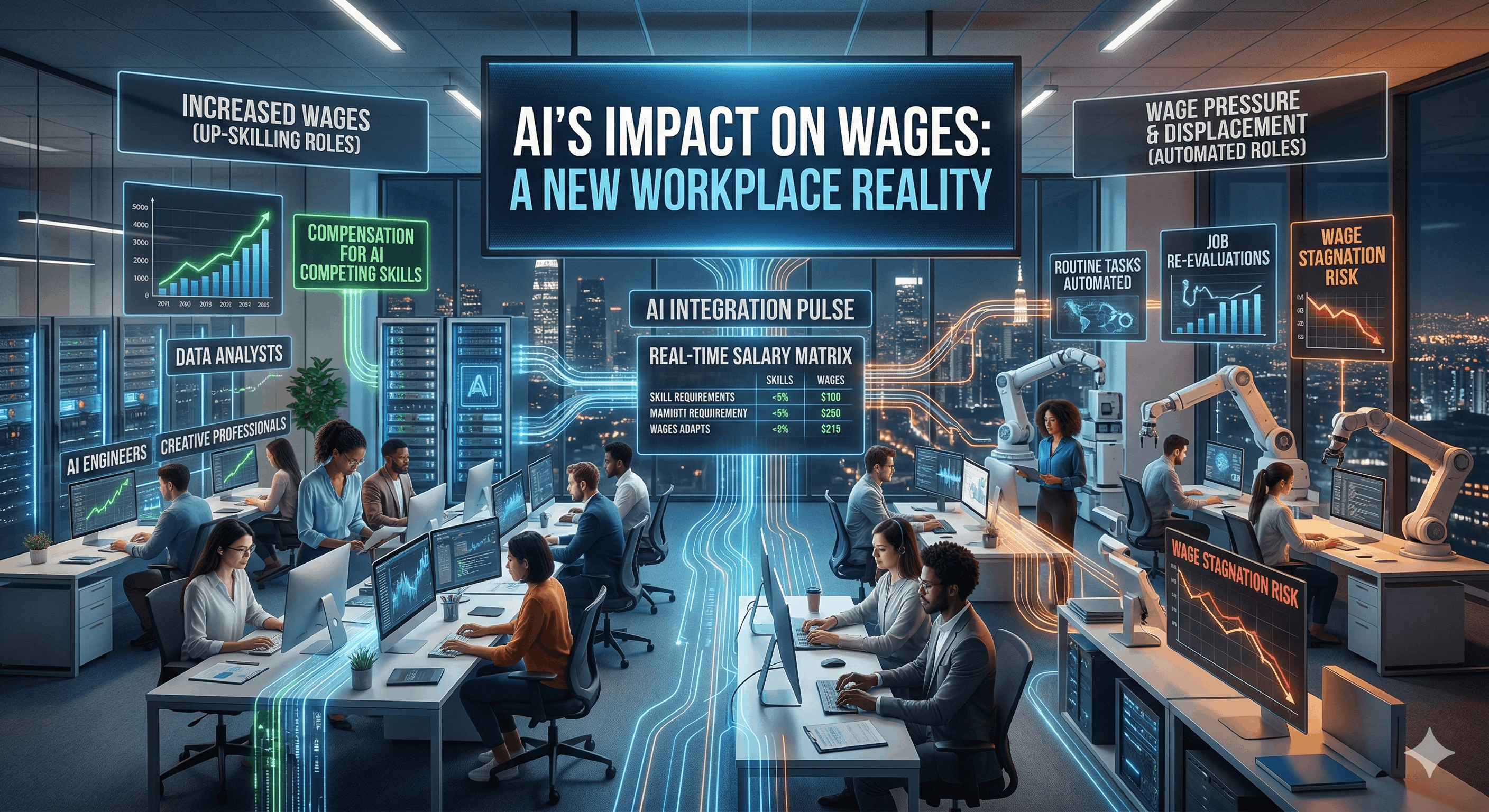
Understanding AI's Influence on Wages
The conversation surrounding AI often centers on job displacement, but there’s a subtler, yet crucial conversation unfolding: the impact of AI on wages. As we progress into 2026, understanding how AI redefines work value is paramount for workers in all sectors.
Who Should Use This
This article is essential for:
- Employees: Understand how AI might alter your salary and job value.
- Employers: Learn how to adapt compensation structures amid changing economic landscapes.
- Policymakers: Gain insight into crafting regulations that protect workers in an AI-augmented economy.
The New Wage Dynamic
Research indicates a growing concern that AI may push wages down, even for jobs that remain intact. This shift arises because AI enhances efficiency, enabling companies to reduce operational costs significantly. Although this could lead to falling prices for goods and services, it also raises questions about purchasing power and economic sustainability. The dilemma lies in the balance—can we harness AI's efficiencies while ensuring fair compensation?
A Dual-Edged Sword
While many anticipate that advances in AI will lead to efficiencies resulting in lower prices, this does not automatically translate into higher disposable income for workers. The potential scenario involves shrinking paychecks alongside decreased costs of living, which complicates matters for the average worker. For instance, when companies invest heavily in AI technology, skilled roles may see wage increases, while less-skilled jobs could face wage stagnation or even reduction.
Practical Use Cases
To adapt to these changes, various stakeholders can take different approaches. Understanding practical applications of generative AI tools can help navigate the shifting landscape.
For Students
- Skill Development: Students can use tools like ChatGPT to enhance research capabilities and automate study schedules. This can make learning more efficient and affordable.
- Career Readiness: Utilize AI to gain insights into market trends and the skills in demand. Platforms like Coursera or Udacity often integrate AI-driven recommendations to help students tailor their learning paths.
For Business Productivity
- Cost-Efficiency: Businesses can leverage AI tools like Microsoft Copilot to streamline operations and reduce overheads. This could stabilize or enhance their profit margins without necessitating layoffs.
- Employee Empowerment: Tools, such as Google Gemini, can automate repetitive tasks, allowing employees to focus on higher-value activities that enhance their contributions. This might also lead to roles evolving rather than disappearing.
For Daily Life
- Financial Management: AI-driven apps can help individuals manage their budgets effectively. Tools like Perplexity AI can provide personalized financial advice, adjusting to income changes imposed by a fluctuating job market. These resources can help individuals make informed decisions about their spending and savings.
- Consumer Awareness: Staying informed through AI can help consumers make better purchasing decisions, maximizing their adjusted salaries. Price comparison tools utilizing AI can notify users about deals that fit their budget, ensuring every dollar counts.
Actionable Checklist
Here’s a quick checklist for workers to adapt effectively in an AI-influenced job market:
- Assess your current skills against market demands.
- Familiarize yourself with AI tools relevant to your field.
- Engage in continuous learning and upskilling using online platforms.
- Monitor wage trends to adjust personal financial strategies proactively.
- Network within your industry to stay informed about changes in demand.
Staying Proactive in a Changing Landscape
Adaptability is key in today’s rapidly evolving workplace due to AI. Workers should regularly evaluate their professional landscapes, seek out learning opportunities, and remain connected to industry trends. Establishing a personal brand using professional social media can also enhance visibility during shifts in the job market. Furthermore, collaboration amongst colleagues to share knowledge and experiences can foster a supportive environment amidst these changes.
Conclusion
Looking Ahead: As AI reshapes the workplace, being proactive in understanding its implications on wages is crucial. By using AI strategically, individuals can not only maintain their value in the job market but potentially enhance it. Exploring reliable sources such as Tom's Guide can provide additional insights into navigating this complexity.
Final Thoughts
The interplay between AI and wages represents a significant paradigm shift. Understanding how to adapt to these changes will be vital for anyone in today's dynamic workplace. Emphasizing both individual and organizational responsibility will ensure a smoother transition into this new era of work.


