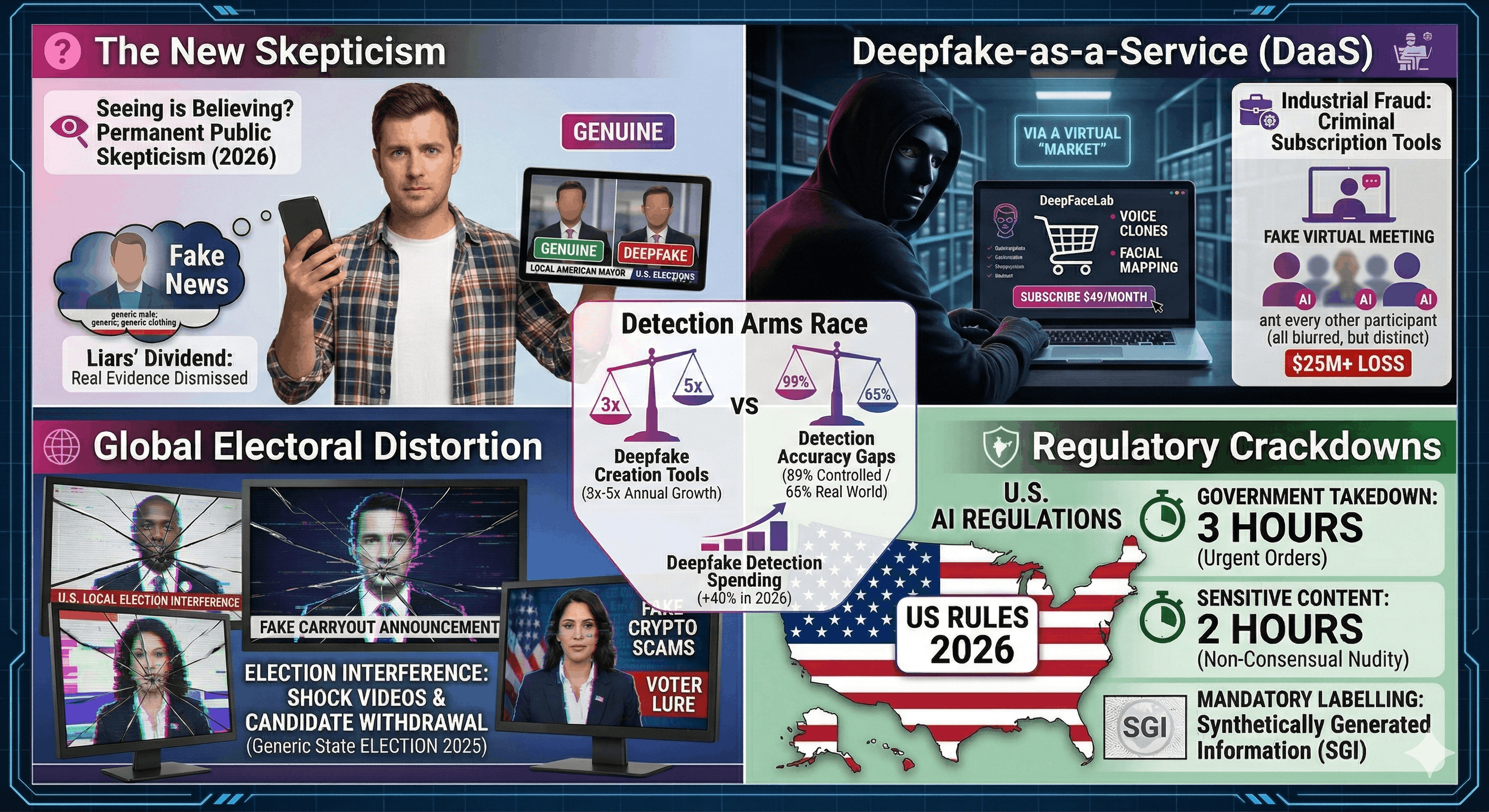
Understanding the Rising Influence of AI Deepfakes
AI deepfakes are transforming the landscape of digital content, especially in the realms of politics and propaganda. As technology advances, increasingly realistic simulated media is challenging our understanding of truth and authenticity.
Who Should Use This
This article is essential for:
- Content Creators: Understanding the potential pitfalls and ethical considerations surrounding the use of AI-generated content.
- Marketers: Gaining insights into consumer behavior and how deepfakes can skew perceptions.
- Policymakers: Formulating regulations that address the implications of deepfake technology.
- General Public: Anyone interested in the evolving media landscape, digital literacy, and responsible consumption of information.
The Surge of Political Deepfakes
Recently, political deepfakes have been on the rise, significantly reshaping how information is consumed and perceived. According to the Governance and Responsible AI Lab, over 1,000 instances of AI-generated political content appeared in social media posts within just one year, marking a sharp increase compared to fewer than 1,400 instances over the previous eight years combined.
Why the Increase?
- Advancements in Generative AI: Rapid developments in generative AI tools have simplified the creation of hyper-realistic images and videos, making them more accessible to individuals and smaller organizations.
- Manipulation and Propaganda: Political actors and groups can weaponize these deepfakes as propaganda, enhancing their messaging to target specific audiences effectively. For instance, fabricated images or videos can portray opponents in a negative light, influencing public perception.
Historical Context
The phenomenon of deepfakes isn’t entirely new. Technologies allowing for digital manipulation of media have existed for years. However, the advent of sophisticated AI algorithms has enabled the mass production of deepfakes that can easily mislead viewers. Events such as the influence of deepfake videos during elections illustrate how they can sway public opinion and create societal divisions.
Practical Use Cases
For Students
- Digital Literacy: Learning about deepfakes helps students discern credible information from manipulated content, fostering a critical approach to media consumption.
- Research Projects: Students in disciplines such as political science, media ethics, and communication can incorporate deepfake technology into their analyses to understand modern political communication.
For Business Productivity
- Marketing Strategies: Businesses can study how political deepfakes affect consumer behavior and use these insights to tailor their marketing strategies.
- Content Creation: Understanding deepfakes allows businesses to develop ethical guidelines for creating digital content responsibly, navigating the challenges of AI tools in media.
For Daily Life
- Social Media Engagement: Individuals can engage more wisely with content on social media, becoming aware of the potential for misinformation and propaganda.
- Civic Responsibility: Increased awareness of deepfakes encourages individuals to act as responsible digital citizens, promoting discussions on media literacy and ethics.
Real-World Examples
One striking example of this trend involves the extensive use of AI-generated military avatars in propaganda. Analysts have noted the emergence of sexualized images of women in military attire, created to manipulate public sentiment and promote certain political figures, regardless of viewers' awareness of their artificiality.
According to a recent study published by The Guardian, these avatars have not only attracted significant online audiences but have also enhanced the idealized images of politicians like Donald Trump. Such content raises ethical questions about the impact of deepfakes on societal norms and perceptions.
Checklist for Responsible Consumption of AI Content
To empower you to engage with digital media responsibly, here’s a practical checklist:
- Stay informed about AI technologies and their implications for society.
- Cross-check information from multiple reliable sources before believing or sharing.
- Recognize the presence of AI-generated content in your feeds.
- Educate yourself about digital literacy and the importance of skepticism towards media.
- Encourage discussions about the ethical use of AI in media, including its potential harms.
Conclusion
The rise of AI deepfakes presents both risks and opportunities. While they can manipulate information and deepen distrust in media, they also highlight the necessity for enhanced media literacy and responsible consumption. As users of digital platforms, understanding these dynamics is essential for everyone engaging with modern media today. For further insights, you can refer to the original article here.


